
Office design moves with the way we work — and the way we work has changed more in the last few years than in the previous few decades. These are the directions shaping modern office furniture, and how to adopt them without chasing fashion for its own sake.
Minimalist Office Interiors
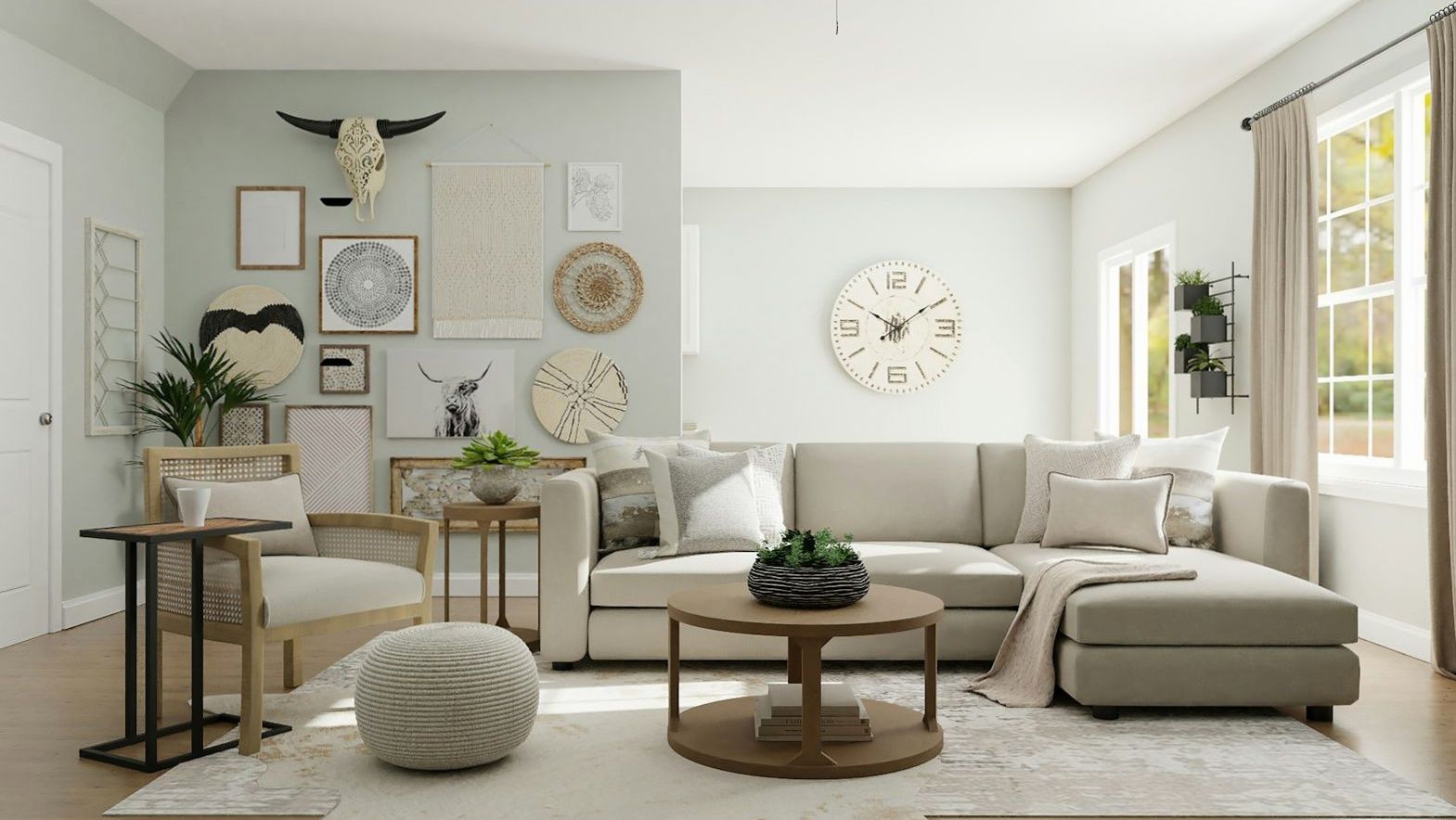
The visual direction of contemporary offices continues to simplify: clean-lined desks, uncluttered surfaces, concealed cables and a restrained palette. Minimalism in a workplace is practical as much as aesthetic — fewer visual distractions, easier cleaning and furniture that does not date quickly. The trick is choosing pieces that are quiet rather than characterless: good proportions, honest materials and considered details.
Flexible Workspaces
Fixed desks for everyone is giving way to flexibility. Mobile pedestals, desks on castors, modular benching and movable screens let a room shift between focused work, workshops and all-hands gatherings. Furniture that reconfigures without tools has become a staple of offices that host changing team sizes — a direction we expect to continue rather than fade.
Natural Materials
Timber finishes, wool-blend upholstery and plant life continue to soften commercial interiors. Whether driven by wellbeing ideals or simple aesthetics, the appetite for warmth over hard minimalism is clear: oak-look desktops, tan and terracotta accents, and textured fabrics that make offices feel less institutional. Durable laminates now replicate timber convincingly, bringing the look within reach of most budgets.
Collaborative Spaces
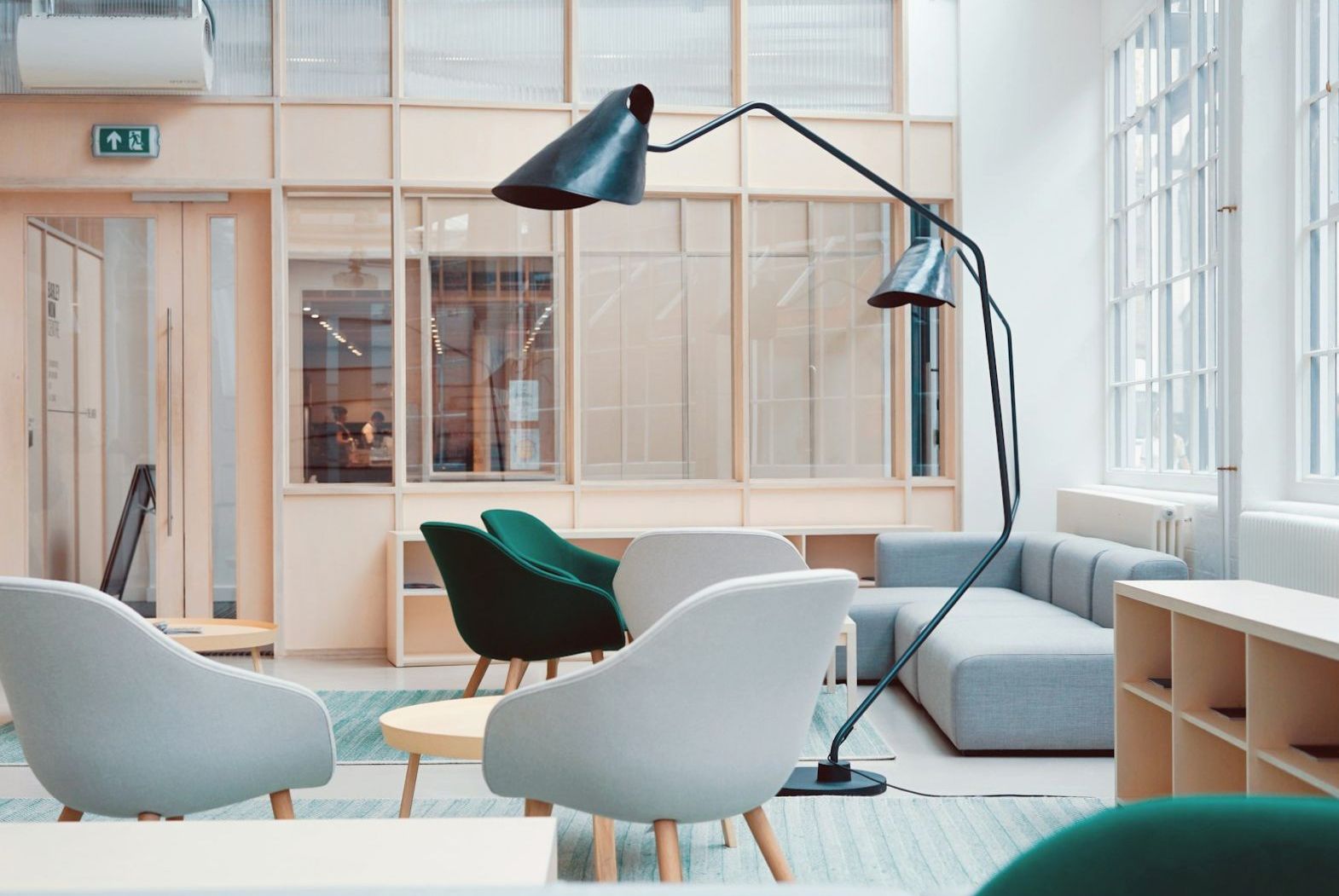
As routine desk work decentralises, offices earn their keep as places to meet. That shows up in furniture: larger meeting tables, casual lounge groupings, high benches for quick stand-ups and acoustic pods for calls that need quiet. The common thread is variety — giving people a choice of settings for different kinds of conversation. See our office solutions for how these zones come together.
Functional Storage
Storage has moved from afterthought to design element. Credenzas that double as room dividers, lockers that serve hybrid teams without fixed desks, and open shelving that adds texture while keeping supplies visible — modern storage works harder and looks better doing it. The practical benefit is real: well-placed storage is the difference between an office that stays tidy and one that does not.
Contemporary Colour Palettes
Neutral foundations with warm accents dominate current palettes: creams, soft greys and timber tones grounded by terracotta, olive and charcoal. Colour increasingly appears through furniture rather than painted walls — an upholstered lounge, a coloured frame, a statement reception counter. It is a flexible approach: furniture can be re-covered or replaced far more easily than a building can be repainted.
Furniture for Hybrid Work
Hybrid patterns have changed what office furniture needs to do. Hot-desking calls for durable, universally adjustable chairs and desks anyone can personalise quickly. Home offices — now permanent fixtures for many professionals — demand compact, residentially styled pieces that perform like commercial furniture. Employers fitting out both settings increasingly want ranges that work across the two.
Balancing Trends and Practicality
A word of caution: trends describe directions, not instructions. The offices that age best adopt trends selectively — the flexibility and natural warmth that suit their culture — while keeping the fundamentals timeless. Ergonomic chairs, well-sized desks, adequate storage and durable materials will still matter when today's accent colour looks dated.
Rule of thumb: invest in timeless function, experiment with replaceable finishes. Chairs and desks should outlast the trend cycle; cushions and accessories can follow it.
Conclusion
The strongest thread running through modern office furniture is human-centred design: spaces that flex, materials that feel warm, and settings that support different kinds of work. Choose trends that serve your team's real patterns and they will feel current for years. Planning an update? Talk to us about which of these directions fit your office.
Keep Reading
How to Choose Office Furniture
A practical framework for choosing desks, chairs and storage that fit your space, your team and your budget — without the common mistakes.
Read Article
How to Organise Your Workspace
Practical organisation for desks, storage, cables and shared areas — a workspace that stays tidy because it is designed to.
Read Article
Office Furniture Materials and Quality
Solid timber, engineered boards, laminates, metal frames and upholstery — how to compare materials and judge build quality.
Read Article