
Choosing office furniture is one of those decisions that looks simple until you are standing in an empty room with a tape measure. The right choices support your team for a decade; the wrong ones mean wobbly desks, sore backs and money spent twice. This guide walks through a practical framework for getting it right the first time.
Assessing Your Workspace
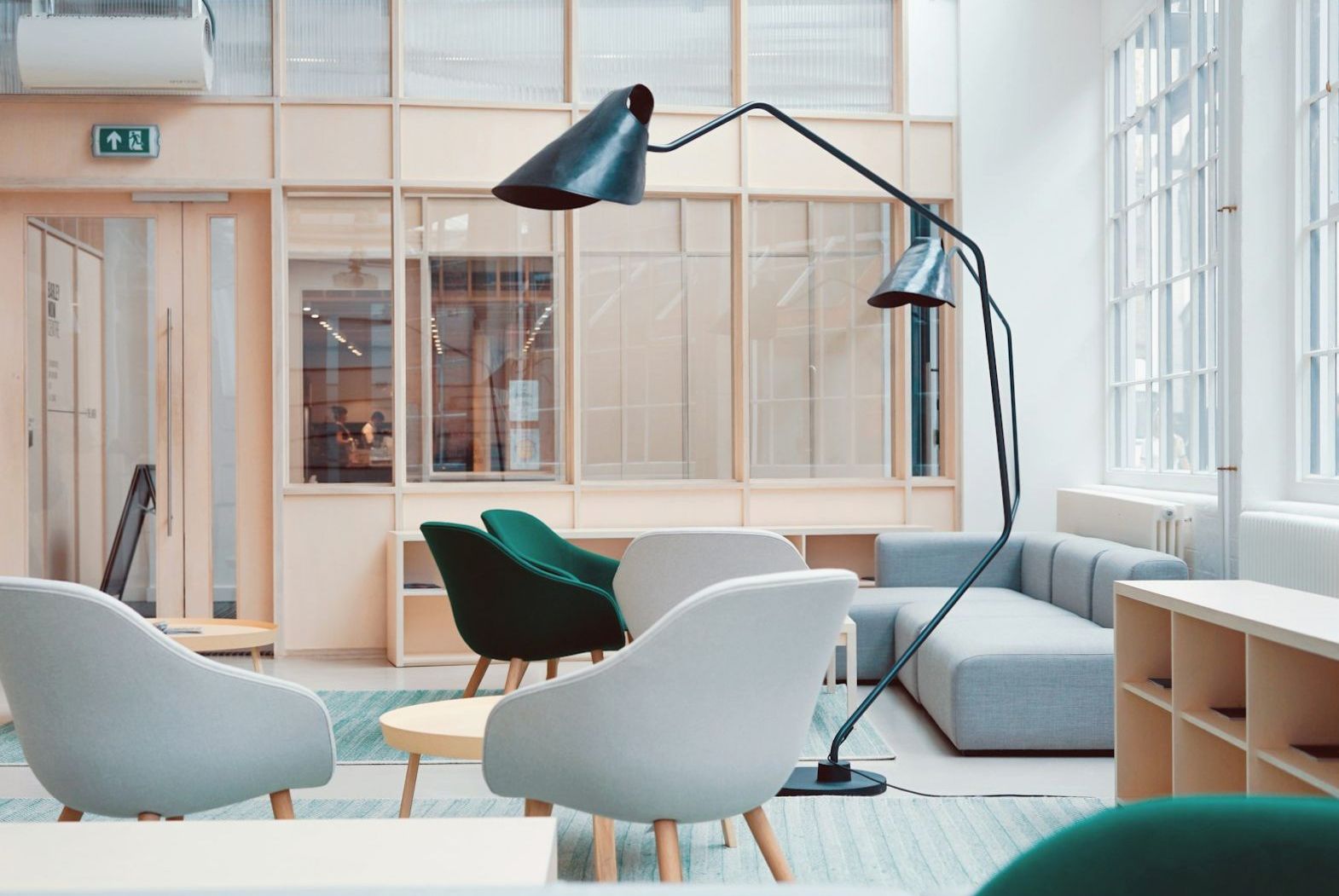
Start with the room, not the catalogue. Measure the floor area, but also note the things that constrain a layout: door swings, windows, power points, columns, heating vents and the routes people take through the space. A desk that fits on paper may still block a walkway or sit a metre from the nearest outlet.
If you are furnishing several rooms, sketch a simple floor plan for each and mark the fixed elements. This five-minute exercise prevents most layout surprises and makes conversations with suppliers far more productive.
Understanding Your Office Needs
Furniture should match the work, not the other way around. Before choosing anything, list what actually happens in the space:
- Headcount and roles — how many workstations, and do people sit, stand, or move between zones?
- Equipment — dual monitors, drawing boards, printers and phones all change the desk surface you need.
- Meetings — how often, how many people, and formal or informal?
- Storage — paper files, samples, personal items, shared stationery?
- Visitors — does the office host clients, and what impression should it give?
Choosing the Right Desk
The desk is the workhorse of the office. For most roles, a desktop depth of 700–800 mm keeps screens at a comfortable distance while leaving room to write. Width depends on the role: 1200 mm suits a compact single setup, while dual-monitor users are happier at 1400–1600 mm.
Height-adjustable desks cost more but let each person fine-tune their working position and alternate between sitting and standing — worth considering for shared desks and long-hour roles. For a deeper dive, see our guide to choosing an office desk.
Selecting Comfortable Office Chairs
If the desk is the workhorse, the chair is the foundation. A good task chair should offer adjustable seat height, supportive lumbar shaping and a backrest that follows the spine rather than fighting it. Armrests, seat depth and tilt adjustment become more important the longer the sitting day.
Our ergonomic chair guide covers each adjustment in detail — the short version is that adjustability matters more than any single feature, because no two bodies are the same.
Budget tip: if you have to prioritise, spend on chairs first. People interact with their chair constantly, and a quality task chair outlasts several rounds of cheaper replacements.
Storage and Organisation
Storage is the most commonly underestimated category. Count what needs a home — files, supplies, bags, equipment — then choose a mix of personal storage (mobile pedestals that slide under desks) and shared storage (cupboards and shelving placed where items are used). An office without enough storage does not stay tidy; it just has tidier-looking piles.
Materials and Durability
Commercial furniture earns its keep through construction, not just appearance. Look for sturdy frames, quality edge banding on board surfaces, reputable mechanisms on chairs and finishes rated for contract use. Our article on furniture materials and quality explains how to compare options like timber, laminate and powder-coated steel.
Budget Planning
Set a total budget, then divide it by zone rather than by item. A typical split allocates the most to workstations (desks and chairs), followed by meeting areas, storage and reception — but let your team's actual day shape the weighting. Remember to allow for delivery and assembly; they are small percentages that are easy to forget.
Common Furniture Buying Mistakes
- Buying before measuring — the number-one cause of returns and awkward layouts.
- Choosing looks over ergonomics — a stylish chair that cannot be adjusted is expensive decor.
- Forgetting cables and power — plan power access and cable management with the layout, not after it.
- Under-ordering storage — clutter is a planning problem, not a discipline problem.
- Ignoring growth — modular desks and matching ranges make adding workstations painless later.
Conclusion
Good office furniture buying is really good planning: measure the space, understand the work, prioritise ergonomics and durability, and budget for the whole room rather than a single hero piece. If you would like a second pair of eyes on your plan, our team works with Adelaide businesses every week — get in touch for practical, pressure-free advice.
Keep Reading
How to Choose an Ergonomic Office Chair
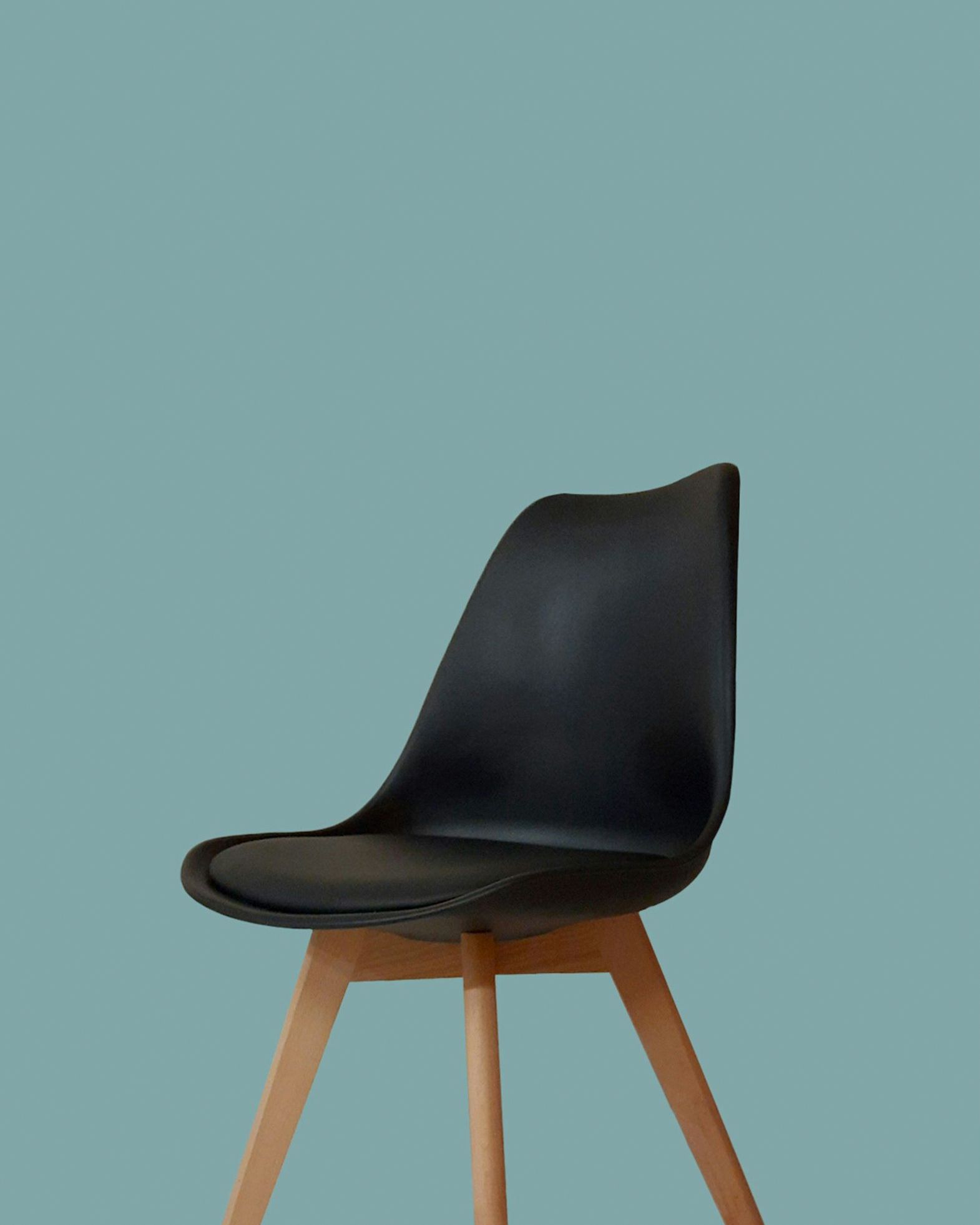
Seat height, lumbar support, depth, armrests and materials — what actually matters when you sit for eight hours a day.
Read Article
How to Choose an Office Desk
Dimensions, shapes, sit-stand options, storage and cable management — choosing a desk that fits the room and the work.
Read Article
How to Organise Your Workspace
Practical organisation for desks, storage, cables and shared areas — a workspace that stays tidy because it is designed to.
Read Article