
The average desk worker spends most of the working day seated, which makes the office chair the single most-used piece of furniture in any workplace. A well-chosen ergonomic chair supports comfortable, focused work — but "ergonomic" is a label, not a guarantee. Here is what to look for, feature by feature.
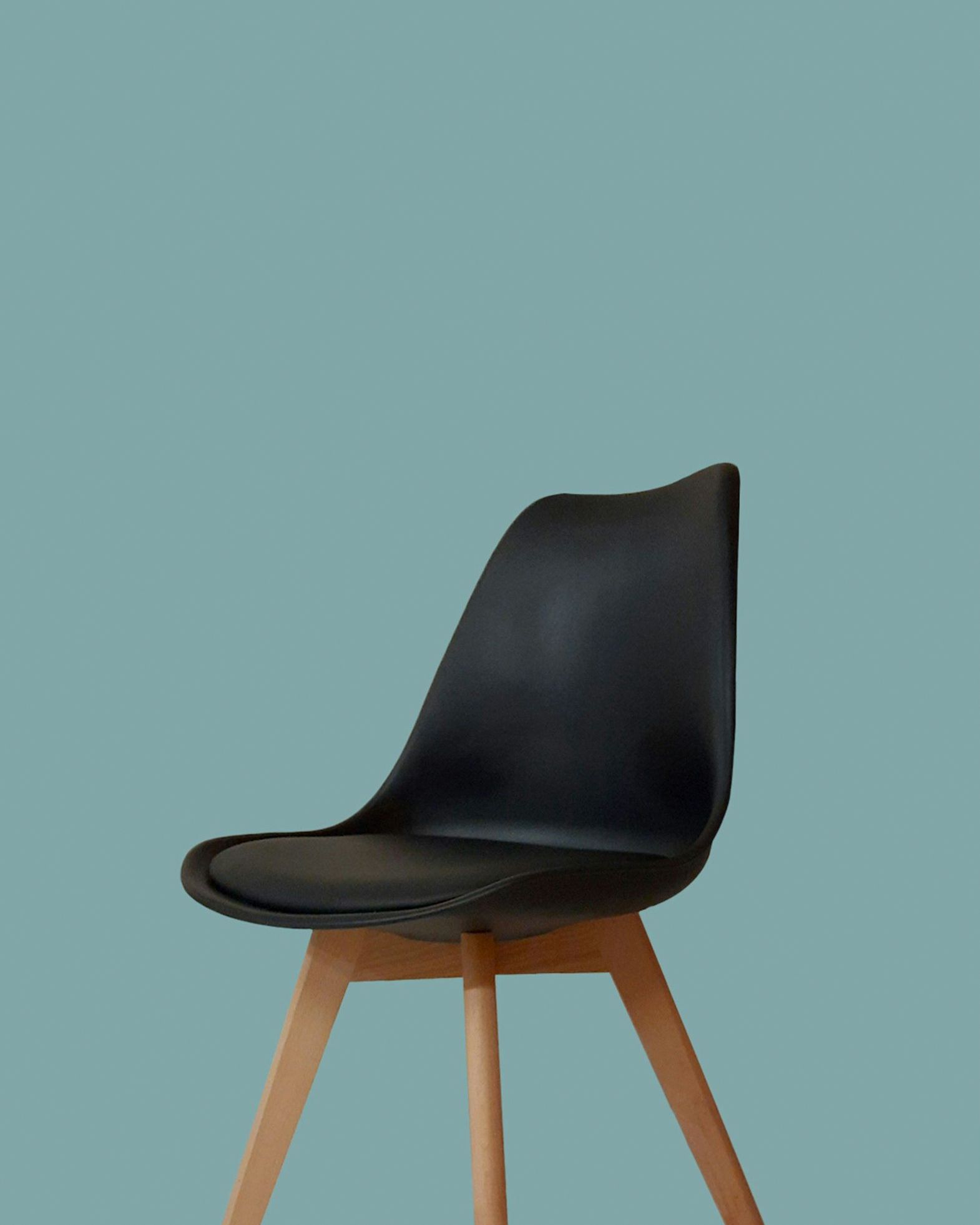
What Makes a Chair Ergonomic?
An ergonomic chair is one that adapts to its user. Bodies differ in height, weight and proportion, so a fixed-shape chair can only ever be a compromise. Genuine ergonomic design means multiple adjustments — height, depth, lumbar position, armrests, tilt — that let each person configure the chair to their own body and task.
Adjustable Seat Height
Seat height is the first adjustment to check. With feet flat on the floor, the ideal position places knees at roughly a right angle with thighs parallel or sloping slightly downward. Gas-lift adjustment is standard; what varies is the range. Taller and shorter users need a wider adjustment range, so check the minimum and maximum heights rather than assuming "adjustable" covers everyone.
Lumbar Support
The lower back has a natural inward curve, and sitting tends to flatten it, which encourages slouching. Lumbar support is a shaped section of the backrest that fills that curve. The best implementations adjust in height and sometimes depth, so the support lands on your lower back rather than someone else's. When testing a chair, sit all the way back and notice whether the support meets the curve or presses above or below it.
Seat Depth and Width
Seat depth — the distance from the backrest to the seat edge — is one of the most overlooked adjustments. Ideally there should be a gap of two to four fingers between the seat edge and the back of your knees. Too deep and shorter users perch forward, losing back support; too shallow and taller users lack thigh support. Chairs with a sliding seat pan solve this across a whole team.
Armrests and Backrest
Armrests reduce load on shoulders and neck, but only at the right height — roughly level with the desk surface so forearms rest lightly while typing. Height-adjustable armrests are the baseline; width and pivot adjustment are refinements worth having. For the backrest, a recline mechanism with tension control supports natural movement through the day. The goal is a chair that moves with you, not one that locks you in place.
Breathable Materials
Australian summers make material choice practical, not just aesthetic. Mesh backrests allow airflow and suit warm offices and long sitting days. Padded fabric seats distribute pressure comfortably, while moulded foam holds its shape longer than cut foam. Whatever the covering, look for commercial-grade upholstery rated for high daily use.
A note on comfort: ergonomic furniture supports healthy posture and comfortable working, but no chair is a medical device. If you experience persistent pain, an ergonomics assessment and professional advice are the right next step.
Chair Selection Tips
- Test before you commit — sit in the chair for more than a minute; adjust it to you.
- Prioritise adjustments you'll use — seat height, lumbar and seat depth cover most needs.
- Check the mechanism — smooth controls and a stable base matter more than feature count.
- Match the task — task chairs for desk work, drafting chairs for benches, visitor chairs for meeting rooms.
- Think about the whole team — one adjustable model suits more bodies than several fixed ones.
Common Ergonomic Mistakes
- Buying by looks alone — sleek executive chairs often hide limited adjustability.
- Ignoring seat depth — the adjustment most often missing, and most often needed.
- Setting and forgetting — a good chair adjusted badly performs like a bad chair.
- Expecting the chair to do everything — posture, breaks and desk setup all share the load.
Conclusion
The best ergonomic chair is the one that fits its user — which is why adjustability beats any single specification. Prioritise seat height, lumbar support and seat depth, choose breathable commercial materials, and adjust the chair to the person rather than the other way around. Our team can help match chairs to your team and budget — contact us or read our wider office furniture guide.
Keep Reading
How to Choose Office Furniture
A practical framework for choosing desks, chairs and storage that fit your space, your team and your budget — without the common mistakes.
Read Article
How to Choose an Office Desk
Dimensions, shapes, sit-stand options, storage and cable management — choosing a desk that fits the room and the work.
Read Article
How to Organise Your Workspace
Practical organisation for desks, storage, cables and shared areas — a workspace that stays tidy because it is designed to.
Read Article