
The desk is where work happens, and choosing one involves more than picking a size that fits the wall. Dimensions, shape, adjustability, storage and cable management all shape how a desk performs day after day. This guide covers the decisions that matter.
Desk Size and Dimensions
Start with the room and the role. Standard desk heights sit around 720–740 mm, which suits most adults with an adjustable chair. Depth is where many desks disappoint: 600 mm feels cramped once a monitor, keyboard and notebook share the surface, while 700–800 mm keeps screens at a healthy viewing distance with room to work.
For width, 1200 mm is the compact baseline for a single user, 1400–1600 mm comfortably handles dual monitors, and anything larger becomes a genuine workbench. Measure the intended wall or bay and leave clearances for chair movement — at least 900 mm behind the desk is comfortable.
Fixed vs Height-Adjustable Desks
Fixed-height desks are simpler, lighter and cheaper — a sensible default for meeting tables, hot-desks and roles with short seated periods. Height-adjustable (sit-stand) desks let each user dial in their working height and alternate posture through the day. Electric versions adjust at the press of a button, often with memory presets for shared desks.
The honest trade-off is cost and weight: adjustable frames cost meaningfully more and are heavier to move. They earn that premium in permanent workstations, shared desks and anywhere people sit for long stretches. For occasional-use surfaces, a good fixed desk plus an adjustable chair covers most needs.
Desk Shapes
- Straight desks — the versatile default; easy to arrange in rows, pods and against walls.
- Corner (L-shaped) desks — wrap work around the user and suit roles juggling screens and paperwork.
- Bench systems — back-to-back or side-by-side runs sharing legs and cable trays; efficient for teams.
- Wave and curved tops — a softer front edge that gives a little more surface where the user sits.
Storage and Cable Management
A desk surface is quickly consumed by cables, chargers and paper unless the design accounts for them. Look for built-in cable trays, grommet holes and under-desk channels that keep leads off the floor and out of sight — especially important for sit-stand desks where cables travel with the top.
For storage, decide between integrated drawers and a separate mobile pedestal. Pedestals roll under the desk, can move with the user and keep the desktop clear; integrated drawers suit executive and reception settings where a cleaner silhouette matters. Either way, plan storage with the desk — see our workspace organisation guide for the wider picture.
Desk Materials
Melamine and laminate tops dominate commercial desks for good reason: they resist scratches, wipe clean and come in dozens of finishes, from timber looks to solid colours. Timber veneer offers genuine warmth for executive and client-facing desks at a higher price and with more maintenance care. Frames are typically powder-coated steel — check for sturdy leg construction and minimal wobble, especially at sit-stand heights.
Choosing a Desk for Small Offices
Compact rooms reward compact thinking. A 1000–1200 mm desk against a wall, a corner desk that uses dead space, or a bench shared by two users can all work where a 1600 mm executive desk would not. Light finishes and slim legs keep small rooms feeling open. Our office solutions page has more on furnishing smaller spaces.
Workspace Layout
Finally, think in layouts rather than individual desks. Leave walkways of at least 900–1200 mm, avoid backing desks directly onto high-traffic paths, and orient screens to limit window glare. Bench pods keep teams together while preserving personal space; a workspace planning session can map this properly for your floor plan.
Conclusion
The right desk balances the room, the role and the budget: generous depth, a shape that suits the work, honest materials and cables under control. Measure first, prioritise adjustability where it counts, and plan storage and power alongside the desk itself. Questions about sizing a desk for your space? Ask our team.
Keep Reading
How to Choose Office Furniture
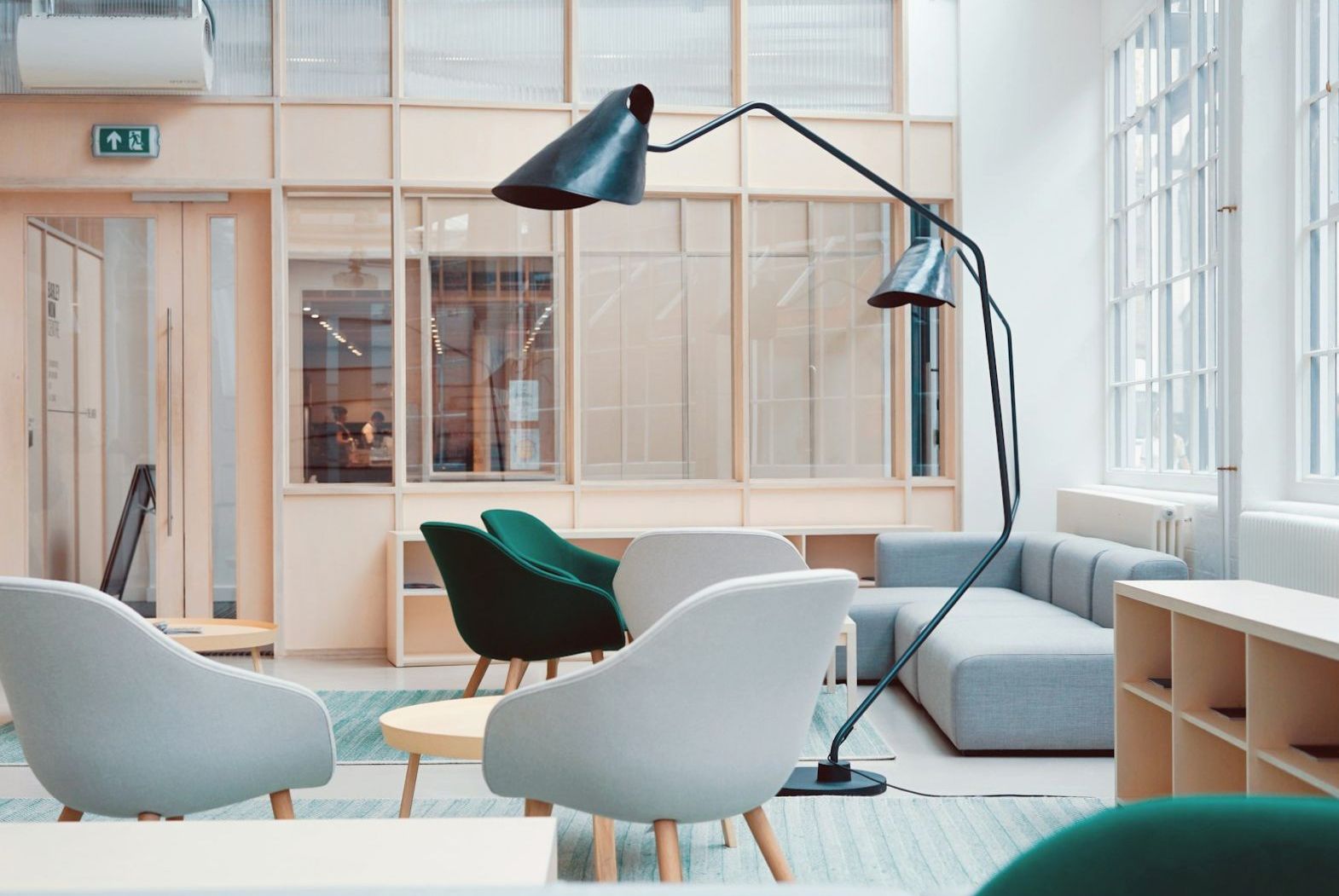
A practical framework for choosing desks, chairs and storage that fit your space, your team and your budget — without the common mistakes.
Read Article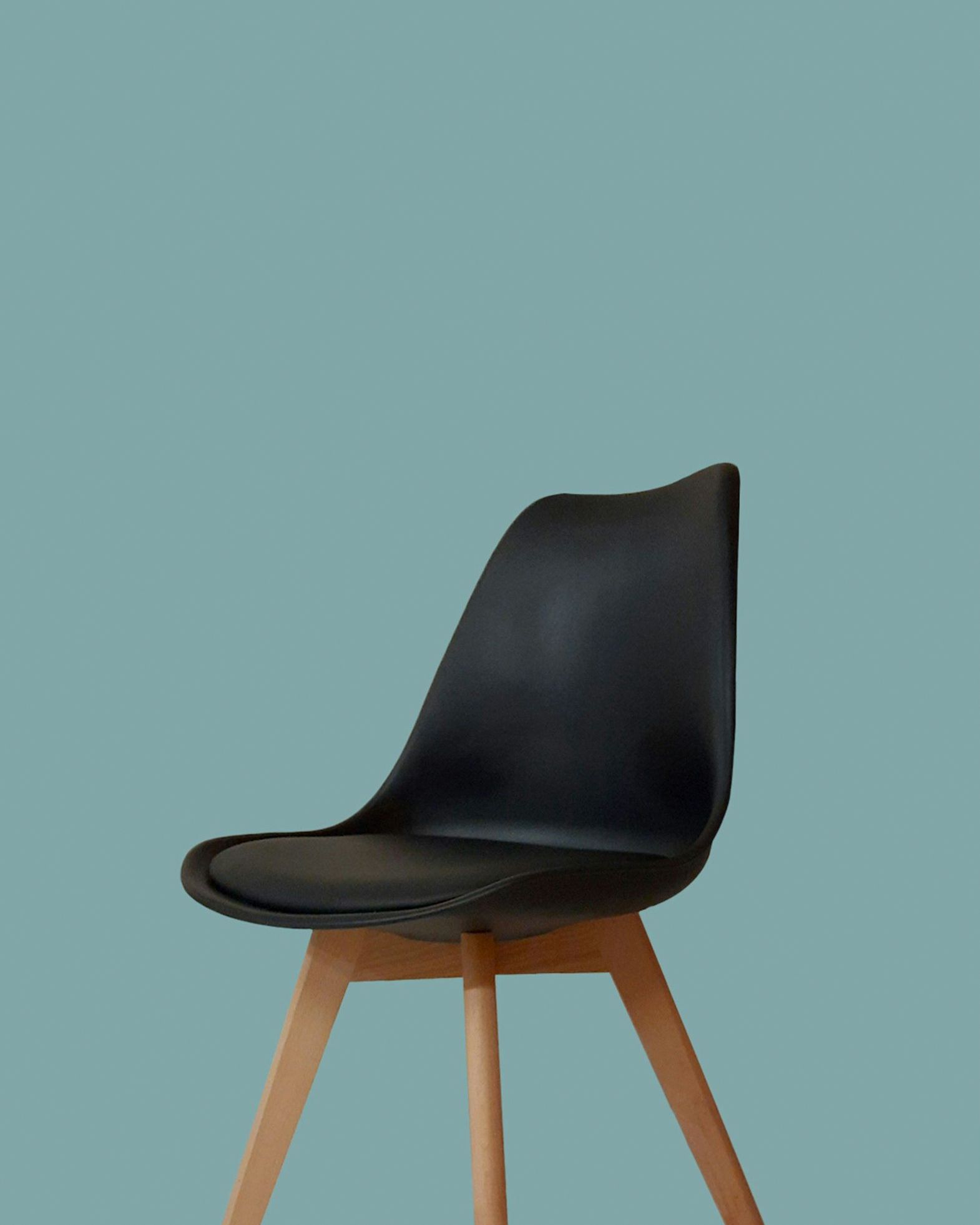
How to Choose an Ergonomic Office Chair
Seat height, lumbar support, depth, armrests and materials — what actually matters when you sit for eight hours a day.
Read Article
How to Organise Your Workspace
Practical organisation for desks, storage, cables and shared areas — a workspace that stays tidy because it is designed to.
Read Article